
Data Center Development Counsel for Operators and Investors
Data center development is won or lost on approvals: zoning, power, and incentives that come with strings. We structure the land, utility and incentive deals so the project survives each one.
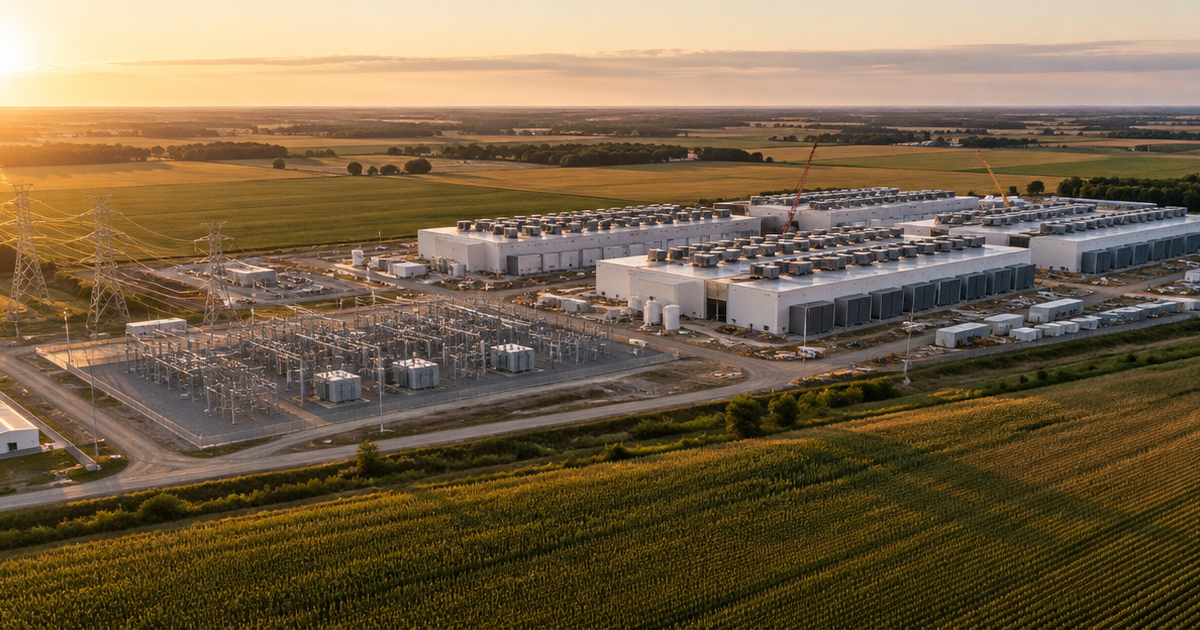
Data center development is now decided in three rooms long before a building goes up: the county board that hears the zoning application, the utility and grid operator that decide when and on what terms power arrives, and the state agency that controls the tax incentives. A project that wins one room and loses another usually loses the site.
Howard East counsels developers, landowners and local governments through each of those decisions, and through the contracts that turn them into a project that can be financed.
Data Center Development Fundamentals and Valuations
A data center site is valued less on acreage than on deliverable megawatts and the date they can be energized. Two parcels with identical zoning can be worth very different amounts if one sits near a substation with headroom and the other waits years for network upgrades.
That makes data center development a sequencing exercise. Land control, power commitments, entitlements and incentives each carry their own clock, and the deal documents have to keep them aligned.
- Power availability and energization date, which usually drive price more than land
- Entitlement status: by-right, special use, or rezoning required
- Water supply and cooling constraints
- Fiber routes and latency to target markets
- Incentive eligibility and the obligations that come with it
- Exit value to a hyperscale tenant or a stabilized-asset buyer
Every number in the pro forma depends on approvals that have not happened yet, and the contracts should say what happens when one of them slips. Buyers of a partly entitled site should price that gap explicitly; our note on how due diligence reprices the deal explains why.
Legal Structures for Data Center Projects
Most projects start with an option, not a purchase. The developer pays for the right to buy or ground-lease the land while it chases power and zoning, and the landowner keeps farming the parcel in the meantime. Our commercial real estate attorney practice handles both sides of those agreements.
From there the structure follows the capital: a single-purpose entity to hold the site, joint ventures between land-holders and developers, and build-to-suit or powered-shell leases with an end user.
Landowners should read an option offer as a long-term commitment, not a one-time payment. The questions that matter are how long the land is tied up, what the developer may do on it during the option period, who pays any property tax increase when the parcel leaves agricultural use, and what security backs the promise to restore the land if the project is abandoned.
- Option agreements with staged payments tied to entitlement milestones
- Long-term ground leases with escalators and restoration obligations
- Single-purpose entities that keep each site financeable on its own
- Joint ventures with clear capital-call and deadlock provisions
- Build-to-suit and powered-shell leases with hyperscale tenants
- Host or community benefit agreements with the municipality
The structure chosen on day one determines who carries the approval risk, so it is worth negotiating before the first option payment changes hands.
Regulatory and Compliance Landscape
Local land-use approval is the first gate. Our post on data center zoning walks through special use permits, setbacks, noise limits and the hearing record, and a growing number of jurisdictions are going further with pauses on new applications, covered in our analysis of the data center moratorium trend.
Power is the second gate, and the rules are changing at the federal level. In December 2025 FERC found PJM’s tariff unjust and unreasonable for lacking clear rules on co-located load. In a June 18, 2026 order, it found PJM’s compliance filing only partially compliant and set out three transmission service options for co-located load: interim non-firm network service until upgrades are complete, firm contract demand service, and non-firm contract demand service.
The same order extends those services to load paired with behind-the-meter generation. For a developer weighing a site next to an existing power plant, that means the transmission arrangement now has to be chosen deliberately, not assumed. Firm service costs more and takes longer; non-firm service can energize sooner but can be interrupted.
At the retail level, utilities are moving large loads onto dedicated tariffs and service agreements. The common features are a minimum monthly bill tied to contracted capacity rather than actual use, a multi-year term, a ramp schedule, collateral, and an exit fee if the project is cancelled. Those terms belong in the data center development budget from the first day, because they bind long before the first server is installed.
- County or municipal zoning and special use approval
- Utility large-load tariffs, service agreements and collateral
- FERC and regional grid operator rules on co-location and behind-the-meter supply
- Air permits for backup generators
- Water withdrawal and discharge permits
- State incentive certification and annual reporting
Each of these regimes moves on its own calendar, and data center development succeeds when counsel tracks all of them at once.
Due Diligence and Risk Areas
Incentives are where diligence most often pays for itself. Illinois offers a sales and use tax exemption and income tax credit under 20 ILCS 605/605-1025, but only for a data center that invests at least $250 million over 60 months and creates at least 20 full-time jobs paying at least 120% of the county’s average wage. The certificate can run up to 20 years.
The obligations travel with the benefit. The statute requires a memorandum of understanding that includes a repayment obligation if the investment or job goals are missed, a project labor agreement for construction, and an annual report due each May 31. Failure to report can lead to suspension or revocation.
Timing matters too. On June 5, 2026, the Governor directed the state to pause processing new Data Center Investment Program agreements starting July 1, 2026, while honoring agreements already signed. A data center development model built on an incentive that is not yet signed carries real risk.
- Incentive clawback and repayment exposure
- Minimum-bill and take-or-pay obligations under the power contract
- Interconnection delay and queue position
- Entitlement challenges and conditions of approval
- Title, easements and farmland assessment recapture on the land
- Long-lead equipment and construction delay
Our post on how data center energy costs are reaching ordinary commercial ratepayers covers the same risks from the other side of the meter.
Key Contract Provisions
The contracts in a data center development do one job above all others: they allocate the risk that an approval, a power date or an incentive does not arrive on schedule. Vague milestone language is where disputes start.
- Option extensions tied to objective entitlement and power milestones
- Conditions precedent covering zoning, interconnection and incentive certification
- Minimum-demand, ramp and exit-fee terms in the utility service agreement
- Clawback allocation between developer, landlord and tenant
- Decommissioning and restoration security for the landowner
- Delay damages and force majeure for transformers and switchgear
When milestones do slip, our affiliated commercial litigation team handles the disputes that follow.
Howard East Data Center Development Services
Local governments face their own version of the problem. A county reviewing its first data center development application needs an ordinance that sets clear standards, a host agreement that survives a change in ownership, and conditions of approval it can actually enforce.
We represent each party at the table: developers assembling sites, landowners deciding whether an option offer is fair, and municipalities negotiating host terms and drafting ordinances. For transactions involving operating facilities, we work alongside our mergers and acquisitions group.
- Site control: option agreements, ground leases and purchase contracts
- Zoning and special use applications, hearings and conditions
- Utility service agreements and large-load tariff review
- Incentive applications, MOUs and compliance reporting
- Host community and community benefit agreements
- Commercial lease review for businesses facing utility pass-throughs, building on our commercial lease fine print guidance
Data center development is a multi-year project, and we stay with clients from the first option payment through energization.
Why Legal Counsel Matters
The parties on the other side of a data center development deal, whether utilities, hyperscale tenants or experienced developers, negotiate these terms every week. A landowner or a county may see one such deal in a decade.
Good counsel levels that field. The terms that matter most are usually settled early, in the option, the service agreement and the incentive MOU, and they are hard to reopen later.
- Spotting approval risk before money is committed
- Aligning contract milestones with real regulatory timelines
- Protecting against clawbacks and minimum-bill exposure
- Building a hearing record that survives challenge
- Keeping each site financeable as a stand-alone asset
Early advice costs far less than renegotiating a signed deal.
This page is general information, not legal advice. Laws, tariffs and incentive programs vary by jurisdiction and change often. Contact Howard East to discuss your specific facts.
Speak with an Attorney About Your Data Center Development
Whether you are siting a project, weighing an option offer or negotiating host terms, we can help you see the full approval path before you commit.
Request a Confidential Call
Tell us the site location, the megawatts you are planning for, and where the zoning and utility process stands. Landowners and local officials are welcome too. Do not send confidential documents with a first inquiry.