Med Spa & Wellness Clinic Attorneys: Legal Structuring for Health & Aesthetics Practices
Your wellness clinic treats patients. Your corporate structure should protect you. We build the legal architecture that keeps med spas, ketamine clinics, and aesthetics practices compliant and profitable.
What Our Wellness Clinic Practice Covers Your Business the Right Way
Whether you are launching a single med spa or scaling a multi-location wellness platform, the regulatory requirements are real and the penalties for non-compliance are significant. Our med spa attorney team handles:
- Med Spa Entity Formation & CPOM Structuring — Designing the ownership and management structure that satisfies your state’s corporate practice of medicine doctrine while allowing non-physician investment and operational control.
- Medical Director Agreements — Drafting medical director and collaborative practice agreements that define clinical oversight, compensation, and liability allocation.
- Ketamine Clinic Compliance — DEA registration, state controlled substance licensing, patient consent protocols, and off-label use documentation for ketamine therapy practices.
- IV Therapy & Wellness Services Structuring — Scope of practice analysis, practitioner delegation frameworks, and regulatory positioning for IV hydration, vitamin infusions, and wellness services.
- Commercial Lease & Location Planning — Reviewing and negotiating commercial leases with healthcare-specific provisions for build-out, zoning compliance, and regulatory permits.
- Employment & Independent Contractor Agreements — Structuring relationships with nurse practitioners, physician assistants, aestheticians, and administrative staff.
- Multi-Location Expansion — Replicating compliant structures across new locations and jurisdictions as your wellness platform grows.
Every engagement starts with your clinical service mix and business model — because the right legal structure depends on what you treat and where you operate.
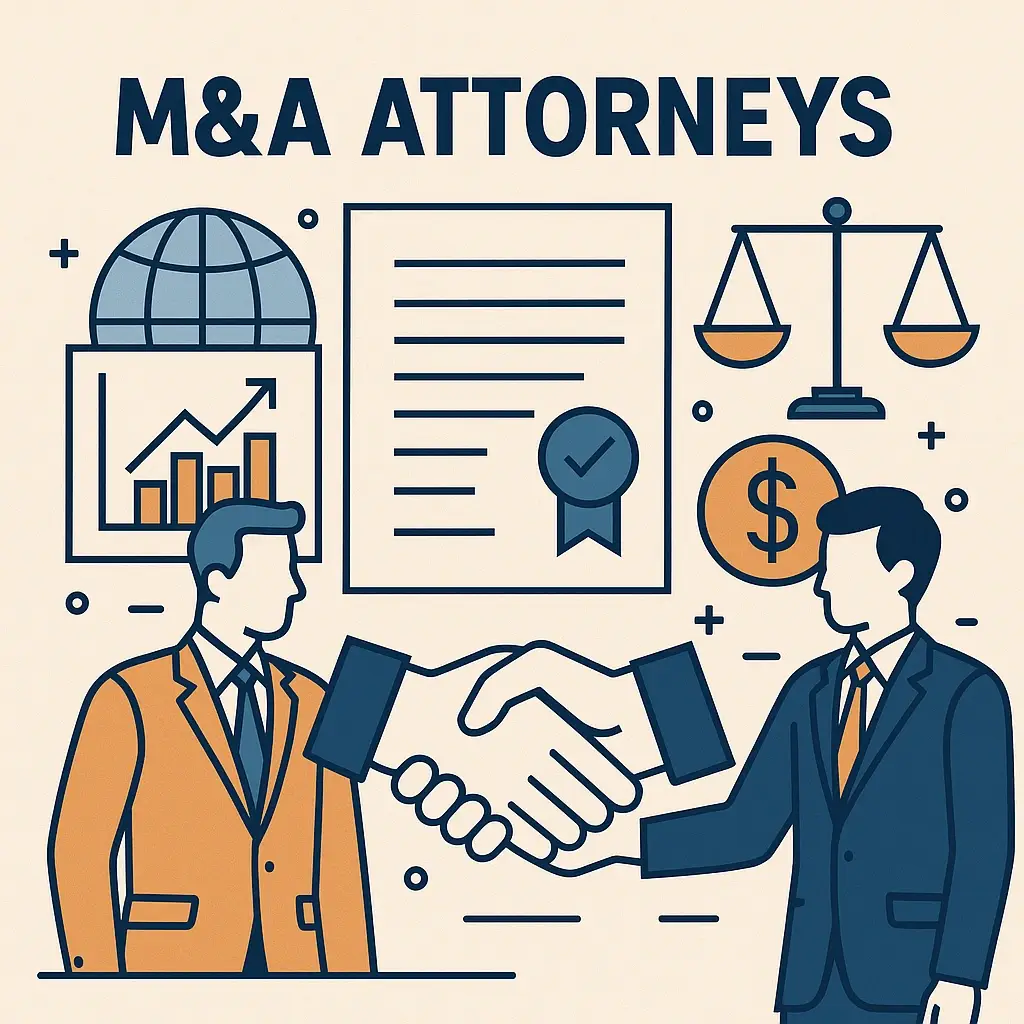
Our M&A Process: Built for Speed and Precision
1. Deal Strategy & Valuation
We start with your goals — exit, acquisition, or expansion — and align deal structure with your tax and long-term strategy.
2. Letter of Intent (LOI)
We draft or refine the LOI to lock in key deal terms before due diligence begins.
3. Due Diligence Review
We audit the target company’s contracts, liabilities, IP, and financials to expose hidden risks early.
4. Negotiation & Documentation
Our team drafts or redlines definitive agreements that secure your interests — from purchase agreements to transition plans.
5. Closing & Integration
We oversee closing logistics and ensure post-closing obligations are clear, enforceable, and advantageous




Our Howard East Law Firm Attorney's Recognition
Our founding attorney, Tom Howard, has been recognized by both Leading Lawyers & Super Lawyers, quoted in the Wall Street Journal & Top 200 Lawyer. He is a member of the NORML Legal Committee & a Certified Ganjier.
Why Business Owners Choose Howard East
We Know the Wellness Regulatory Landscape
Med spas and wellness clinics face a unique combination of healthcare regulation, consumer protection rules, and scope of practice limitations. We advise these practices daily and understand where the compliance risks actually live.
CPOM Structuring for Non-Physician Owners
Most wellness clinic entrepreneurs are not physicians. We build entity structures that allow non-physician ownership and investment while maintaining the clinical oversight that state law requires.
Multi-State Wellness Platform Experience
We structure wellness practices across Illinois, Missouri, and New York — three states with different CPOM rules, scope of practice standards, and licensing requirements. One firm, complete coverage.
Practitioner Relationship Structuring
The relationships between med spa owners, medical directors, nurse practitioners, and aestheticians create compliance exposure if structured improperly. We build employment and contractor frameworks that protect everyone involved.
Where We Advise Wellness Clinics
Illinois
Handle buy/sell transactions across corporations, LLCs, and partnerships Navigate Illinois Department of Financial and Professional Regulation (IDFPR) issues in licensed industries Structure transactions for tax efficiency and post-closing protection Negotiate LOIs, purchase agreements, and non-competes tailored to Illinois law
Missouri:
Represent business owners in sales, mergers, and buyouts Manage multi-entity reorganizations and asset transfers Counsel clients on Missouri employment and non-solicitation laws Coordinate closings with lenders, accountants, and regulatory agencies
New York
Guide cross-border and multi-state transactions Draft and negotiate stock and asset purchase agreements Advise on securities compliance and due diligence for private offerings Manage regulatory and licensing transitions in highly regulated industries
Contact Experienced Lawyers Now
Let’s Talk About Your Deal
- Structure your med spa or wellness clinic for CPOM compliance from day one
- Draft medical director agreements that protect both parties and satisfy regulators
- Set up controlled substance protocols for ketamine and IV therapy practices
- Build a multi-location wellness platform on a scalable legal foundation
- Negotiate earn-outs and seller financing that protect their future
- Handle post-closing disputes discreetly and efficiently
FAQ: Mergers & Acquisitions Law
Can a non-physician own a med spa?
In most states, non-physicians can own med spas through proper structuring. The corporate practice of medicine doctrine requires that clinical decisions remain under physician control, but business operations and non-clinical management can be owned by non-physicians through an MSO structure or by having a physician-owned professional entity handle the clinical side. The specifics vary by state — Illinois, Missouri, and New York each have different requirements for how this ownership separation must be documented and maintained.
What does a medical director do for a med spa?
A medical director provides clinical oversight for the med spa’s medical services. This includes establishing treatment protocols, supervising practitioners performing medical procedures, reviewing patient records, ensuring compliance with scope of practice requirements, and maintaining responsibility for the clinical quality of care. The medical director agreement should define the specific oversight duties, time commitment, compensation, and liability allocation between the director and the practice.
What legal structure does a ketamine clinic need?
Ketamine clinics require entity structuring that satisfies CPOM requirements, DEA registration for handling controlled substances, state controlled substance licensing, patient informed consent protocols documenting off-label use, HIPAA compliance documentation, and appropriate malpractice insurance coverage. The entity structure must ensure a licensed physician maintains clinical control over prescribing and administration while allowing for the business operations structure the owners need.
How much does it cost to set up a med spa legal structure?
Legal structuring costs for a med spa depend on the complexity of the ownership arrangement and the number of jurisdictions involved. A straightforward single-location med spa with a physician owner and standard employment agreements typically costs less than a multi-investor MSO structure with non-physician ownership. Howard East provides specific fee estimates after an initial consultation that evaluates your ownership structure, service mix, and state requirements.
Does Howard East handle med spa litigation if a patient dispute arises?
Yes. Unlike firms that only handle transactional wellness clinic work, Howard East maintains an active commercial litigation practice. If a patient dispute, practitioner claim, regulatory investigation, or contract breach arises, the same team that structured your practice can defend it — with full knowledge of your agreements, compliance documentation, and operational history.