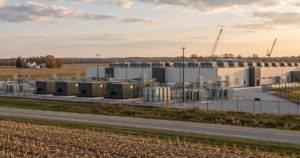
The biggest business-law story of the week is not a new model or a chatbot — it is your power bill, and the driver is data center energy costs. As Dr. Alex Wissner-Gross reported in the July 1 edition of The Innermost Loop, “the bottleneck has moved from code to concrete, and concrete has politics.” The artificial-intelligence boom now runs on data centers, and those data centers run on electricity — so much of it that one Virginia county, Henrico, saw its rate jump nearly 25% and asked schools and staff to turn off the lights to cover the bill. For business owners, the AI era just stopped being abstract. The result is landing on commercial electricity bills, commercial leases, and local land-use fights — and each of those is a legal question.

What You’ll Learn
Why Data Center Energy Costs Are Now a Business Problem
For years, the growth of artificial intelligence was a software story that happened somewhere in the cloud. This week it became a physical one. Building the AI economy now means building data centers, and a single hyperscale facility can draw more than 100 megawatts — the power of tens of thousands of homes. To serve that demand, utilities are investing in new generation and transmission and recovering the cost through rates that ordinary ratepayers help pay.
The numbers are no longer small. According to analysis from Harvard Law School and energy-policy researchers at the Environmental and Energy Study Institute, data-center demand is a growing driver of the electricity increases showing up on business and household bills alike. Reporting cited by The Innermost Loop put data centers behind roughly 63% of one regional grid’s recent capacity-price jump, while utilities nationwide have requested tens of billions of dollars in rate increases. The friction is intensely local: developers have faced organized pushback, and in Memphis one operator even cut neighbors’ internet prices to calm opposition near its AI campus.
Here is why this matters even if you will never build or lease a server hall. If you sign a commercial lease, pay a commercial power bill, own property near a proposed site, or plan to buy or sell commercial real estate, data center energy costs are about to touch your business through your rates, your contracts, or your neighbors. The owners who treat that as a legal planning question — not just an operating expense — will be the ones who keep control of it.
The Legal Impact: 5 Ways Data Center Energy Costs Hit Your Business
There is no single “data center law.” Instead, the exposure is assembled from utility ratemaking, commercial leasing, land-use and zoning, tax-incentive rules, and litigation — established bodies of law now being stretched over an unprecedented buildout. Below are the five places these costs land first, and what a business owner can do about each.
1. Your commercial electricity rate — and your right to be heard on it
Utility rates are not fixed by nature; they are set through cases before your state’s public utility commission, where utilities propose how much to charge and how to divide costs among customer classes. The central fight of 2026 is cost allocation — whether data centers pay the full cost of the grid they require, or whether that cost is spread onto everyone else. Regulators have responded with “large-load tariffs” and special rate classes that require big users to fund their own infrastructure and commit to minimum terms. Businesses, especially larger energy users, can intervene in these proceedings rather than simply absorb the result. Understanding your tariff class and watching your utility’s filings is the first line of defense, and it sits squarely in the work of regulatory compliance counsel.
2. Your commercial lease may pass the increase straight to you
For most tenants, the rate increase arrives through the lease. Escalation clauses, common-area maintenance charges, and utility gross-up provisions determine whether a jump in commercial electricity rates is the landlord’s problem or yours. Many businesses signed leases years ago and have never modeled what a 10% or 25% energy increase does to their occupancy cost. Reviewing and renegotiating those terms — ideally before renewal — is core commercial contract work, and it is one of the fastest ways to blunt the impact of rising power costs on your bottom line.
3. Land use and zoning when a data center comes to your block
Data centers rarely appear by right. They typically require rezoning or a special-use permit, complete with public hearings, negotiated conditions, and short appeal windows. That process cuts both ways. If you own or develop property, it is an opportunity — and a set of obligations around noise, water, power, and traffic. If a facility is proposed near you, you may have standing to comment, to negotiate conditions, or to seek administrative review of an approval. These are questions for experienced commercial real estate counsel, because the rights are real but the deadlines are unforgiving.
4. Tax incentives, abatements, and the strings attached
To land these projects, states and localities offer sales-tax exemptions, property-tax abatements, and financing tools such as tax increment financing. Those deals carry conditions — job commitments, investment thresholds, and clawback provisions if the promises are not met. As reporting compiled by the policy trackers at MultiState shows, more than 300 data-center bills were filed across dozens of states in 2026, marking a shift from open-armed incentives toward oversight and cost-recovery requirements. Any business negotiating or relying on an incentive agreement needs the fine print reviewed before signing, not after a clawback notice arrives.
5. Litigation: nuisance, property value, and ratepayer disputes
Where the money is real, disputes follow. Neighbors bring nuisance and property-value claims over noise, water use, and constant operation. Ratepayers and advocates challenge how commissions allocate costs. Developers litigate permit denials and conditions. When these pressures turn into an actual dispute — over a rate decision, a lease pass-through, or a land-use approval — that is courtroom and administrative-hearing work, handled by our litigation colleagues at Howard Law Group. The businesses that fare best are the ones that documented their position early, while the record was still being written.
Running beneath all five is one strategic reality: the AI buildout is redistributing a very large cost, and the law is the mechanism that decides where it lands. Owners who engage — in rate cases, in lease terms, in zoning hearings, in incentive contracts — help decide that outcome. Owners who wait inherit whatever is left.
What Howard East Clients Should Do Now
You do not need a crisis to act, and acting early is dramatically cheaper than reacting later. Three moves are worth making this quarter.
First, audit your energy exposure in writing. Pull your commercial lease and identify exactly how utility increases flow through, and check your power bill for your tariff class. If you are an energy-intensive operation — manufacturing, cold storage, or an indoor cannabis cultivator whose margins live and die on power costs — model what another rate increase does to your budget before it hits.
Second, know your position on nearby development. If a data center is proposed near property you own or lease, find the hearing schedule and the appeal deadlines now. If you are the developer or landowner, get your entitlements, power commitments, and incentive agreements papered correctly the first time. Regulated operators, including licensed cannabis businesses managing compliance and utility costs, should fold energy planning into the controls they already maintain.
Third, check your contracts and coverage. Review vendor and supply agreements for energy pass-throughs, and confirm with your broker how your insurance responds to business interruption and rising operating costs. For a related look at how AI is reshaping what your policies actually cover, see our analysis of AI exclusions in business insurance.
Frequently Asked Questions
Why are data center energy costs raising my commercial electricity bill?
Large data centers draw enormous power, and utilities recover the cost of new generation, transmission, and grid upgrades through rates that many other customers help pay. Reporting indicates data centers drove roughly 63% of one regional grid’s recent capacity-price increase, and one Virginia county saw its rate rise nearly 25%. Whether that increase reaches your business depends on your utility’s tariff class and how your state commission allocates the cost — both of which you can engage with rather than simply absorb.
Can my landlord pass data center energy costs through to me?
Often, yes — it depends on your lease. Escalation clauses, common-area maintenance provisions, and gross-up language decide whether a utility-rate increase is your cost or your landlord’s. Many commercial tenants signed leases before this wave of rate pressure and have never checked how energy increases flow through, so reviewing those clauses before renewal is far cheaper than disputing a surprise pass-through later.
What legal rights do I have if a data center is proposed near my property?
Data centers usually require rezoning or a special-use permit, and those approvals come with public hearings, conditions, and appeal deadlines. Neighboring owners and businesses frequently have standing to comment, negotiate conditions, or seek administrative review of a decision. Because the deadlines are short and jurisdiction-specific, the time to understand your options is when the application is filed — not after the permit is granted.
This article is for informational purposes only and does not constitute legal advice, and reading it does not create an attorney-client relationship. The developments described are as reported by the cited sources and are evolving quickly; rate, zoning, and incentive questions are fact-specific, state-specific, and change often. Consult qualified counsel about your situation. Attorney Advertising.
Get Ahead of Rising Data Center Energy Costs — Talk to Howard East
Whether the AI buildout is showing up on your power bill, in your lease, or on the parcel next door, the time to protect your position is before the cost is locked in. Howard East advises business owners on commercial leasing, real estate, regulatory strategy, and incentive agreements in the age of AI infrastructure. Book a consultation to pressure-test your exposure to data center energy costs before your next rate increase does it for you.
Source: Dr. Alex Wissner-Gross, The Innermost Loop, July 1, 2026.