
A right of first refusal in business gives one party the contractual right to match any offer a third party makes before the owner can sell or transfer a business interest. Understanding how a right of first refusal in business works is essential for business owners, partners, and investors who want to protect their ownership position and control who enters the company.
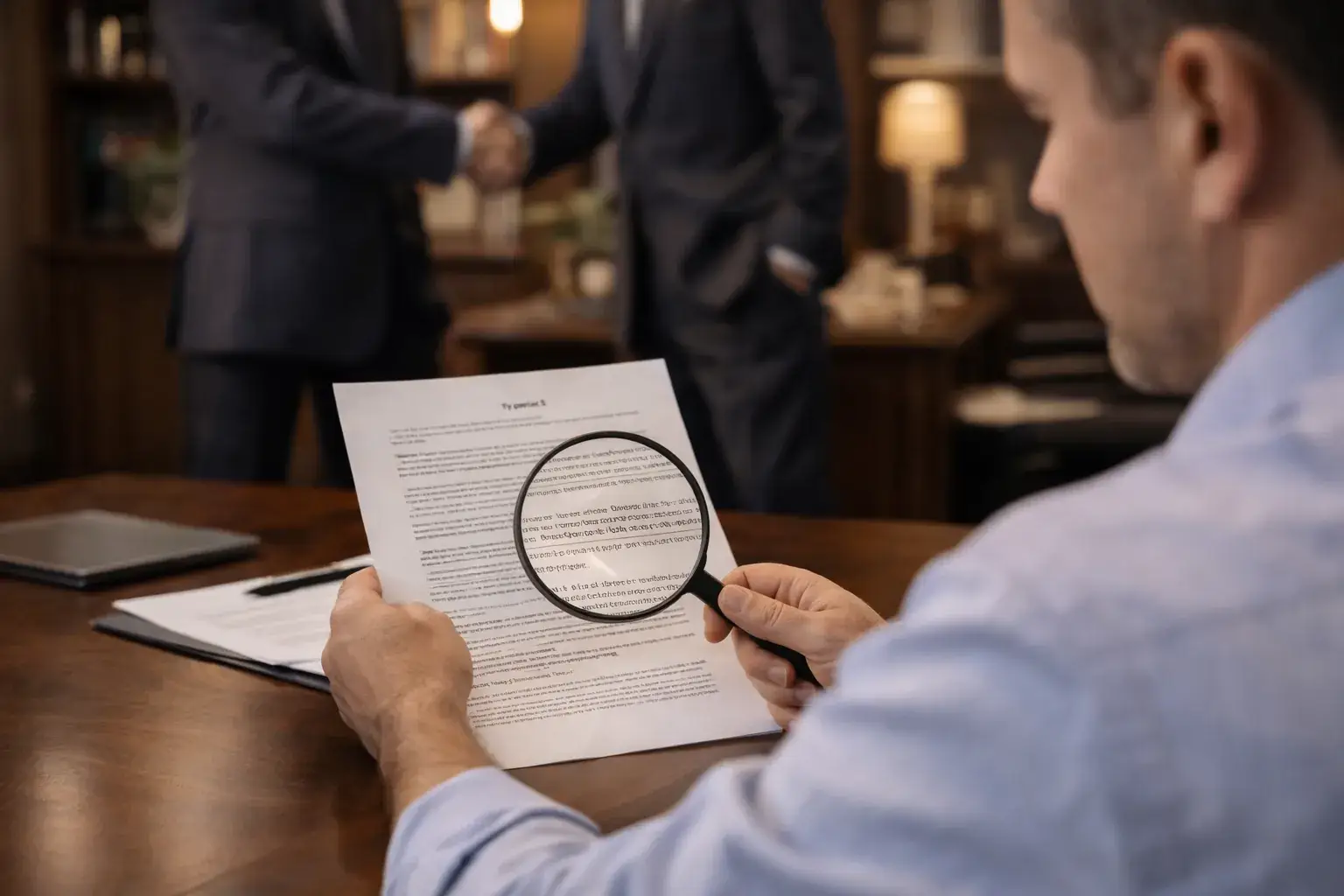
Howard East’s corporate attorneys draft, negotiate, and enforce right of first refusal provisions for businesses across Illinois, Missouri, and New York.
How a Right of First Refusal in Business Works
When a business owner wants to sell their interest, the right of first refusal requires them to first offer that interest to the existing partner or designated party on the same terms offered by the outside buyer. The holder of the right can choose to purchase the interest at those terms or decline, allowing the sale to proceed to the third party. This mechanism is commonly found in operating agreements, shareholder agreements, and partnership agreements.
Why Businesses Use Right of First Refusal Clauses
A right of first refusal in business serves several important purposes. It allows existing owners to maintain control over who joins the company. It prevents unwanted third parties from acquiring an ownership stake. It gives loyal partners and investors the opportunity to increase their ownership position. And it provides a structured process for ownership transitions that reduces disputes and litigation.
Key Elements of a Right of First Refusal Agreement
An effective right of first refusal clause must address several critical elements. These include the triggering event that activates the right, the notice requirements and timeline for response, how the purchase price is determined, the terms and conditions of the matching offer, and what happens if the right holder declines. Poorly drafted provisions create ambiguity that leads to expensive disputes, so precision in drafting is essential.
Right of First Refusal vs. Right of First Offer
These two provisions are frequently confused but work differently. A right of first refusal requires the seller to present an existing third-party offer for matching. A right of first offer requires the seller to negotiate with the right holder before seeking outside offers. Each approach has strategic advantages depending on your business goals and bargaining position.
Enforcing a Right of First Refusal in Business
When an owner attempts to sell their interest without honoring the right of first refusal, the right holder can seek legal remedies including an injunction to block the sale, specific performance to compel compliance, or monetary damages. Courts generally enforce these provisions when they are clearly drafted and supported by adequate consideration. Prompt legal action is critical because delays can weaken your claim.
Common Mistakes with Right of First Refusal Provisions
Business owners frequently make errors with these clauses that undermine their effectiveness. Common mistakes include vague triggering language, unrealistic response timelines, failing to address valuation disputes, not specifying what constitutes a bona fide offer, and omitting transfer restrictions for estate planning purposes. Working with an experienced business attorney ensures your provision is comprehensive and enforceable.
At Howard East, we help business owners structure ownership agreements with effective transfer restrictions that protect their investment and maintain company stability.
Frequently Asked Questions About Right of First Refusal in Business
Can a right of first refusal be waived?
Yes, the holder of a right of first refusal can waive it for a specific transaction or permanently. Waivers should be documented in writing to avoid future disputes. Some agreements include automatic waiver provisions if the right holder fails to respond within the specified timeframe.
Does a right of first refusal apply to all types of transfers?
It depends on how the provision is drafted. Some apply only to voluntary sales, while others cover gifts, estate transfers, divorce settlements, and foreclosures. A well-drafted provision clearly specifies which types of transfers trigger the right and which are exempt, such as transfers to family trusts or estate planning vehicles.
How long does a right of first refusal last?
The duration depends on the agreement. Some rights of first refusal last for the entire period of ownership, while others expire after a set number of years. The response window for matching an offer is typically 30 to 90 days, though this varies by agreement. Courts may refuse to enforce provisions with unreasonably long or perpetual durations.
Our team of corporate M&A attorneys, commercial litigation lawyers, and business litigation attorneys can help protect your interests.